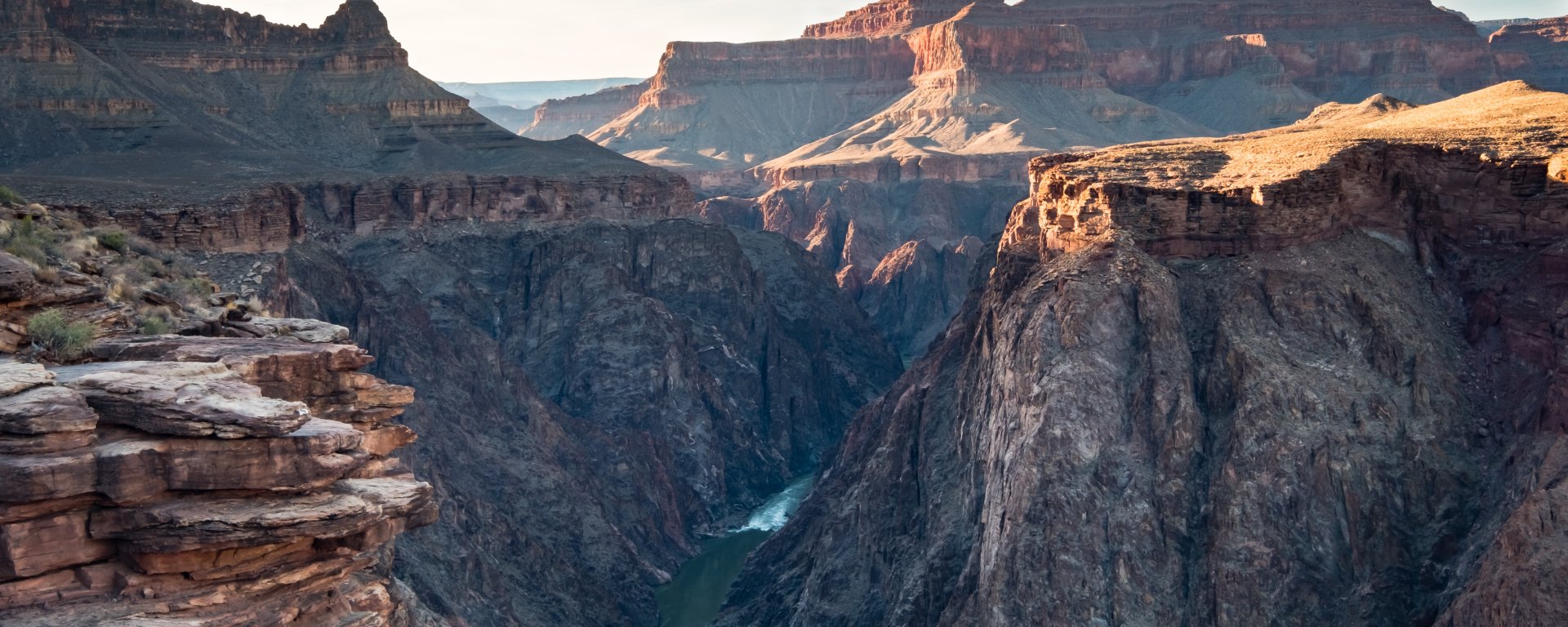
Getting and staying fit and healthy as we age is difficult. After ignoring fitness for careers and family, we now realize that as our children leave home and we have more time, or more time looms with retirement, we want and need to get back into shape. You don’t want to try to travel the country, or the world, or just live an active lifestyle, and not be able to get around to see the sights and do the things you want. I resemble these remarks, so I am constantly looking for information, advice, and motivation to get back into good shape. Having a scientific background, I try to seek out well-researched information to help form my game plan. The Grand Canyon, the high mountain passes, the unseen city streets beckon to me and it is time to get busy.
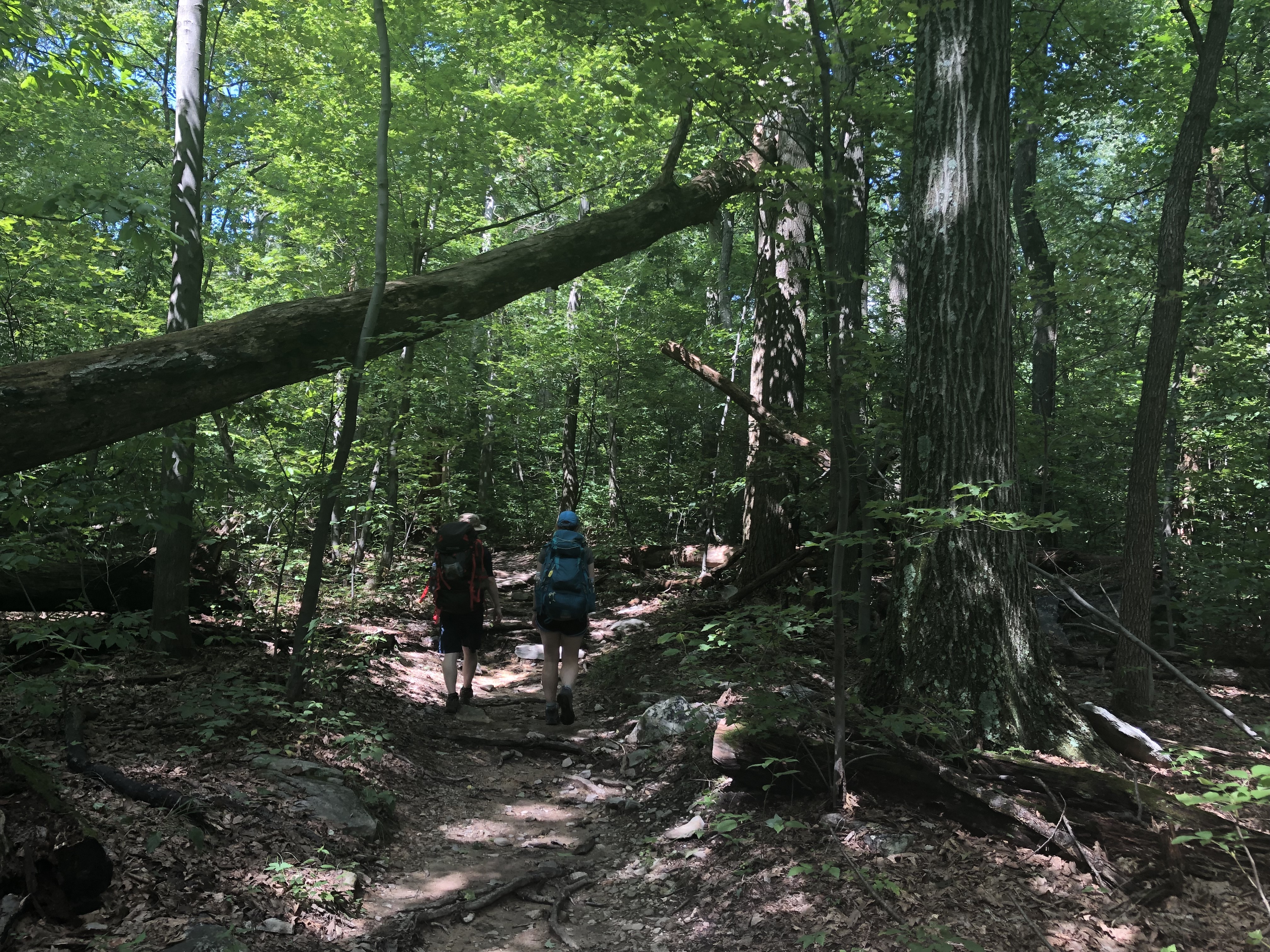
I love to run, bike, hike, and explore. Unfortunately, I have let my fitness get to the point such that when I get to indulge in those activities, I try to tackle them as if I am still 20 30, or 40 years old. The injuries mount. A slip backpacking gave me a rotator cuff tear. Running gave me a foot stress fracture. A misstep on a trail gave me a tear in a knee meniscus. Being ten (ok, fifteen) pounds overweight, having a general lack of muscle tone, and lacking anything resembling flexibility couldn’t have had anything to do with those injuries…yeah. One or two of you out there might have somewhat the same set of problems. If so, I hope you are doing something about them, or at least want to. It is never too late.
I recently read an interesting article by Bruce Horovitz of Kaiser Health News that I found on the CNN website. The article discussed ways in which seniors can adopt healthier lifestyles. There were some good ideas and I thought they fit well with other information I have come across and are attempting to utilize. There is a great statement by Dr. Dana King, professor and chairman of the department of family medicine at West Virginia University that seems to bring it all home:
“People do financial planning for retirement, but what about retirement health planning?”
I wonder if sometimes it can be a bit complicated for some people, particularly since the needs for seniors to obtain/maintain fitness is different from younger people. If so, here are ten areas outlined in the Kaiser Health News (KHN) article. I have taken the liberty to rearrange their order:
1) Start out with good footwear
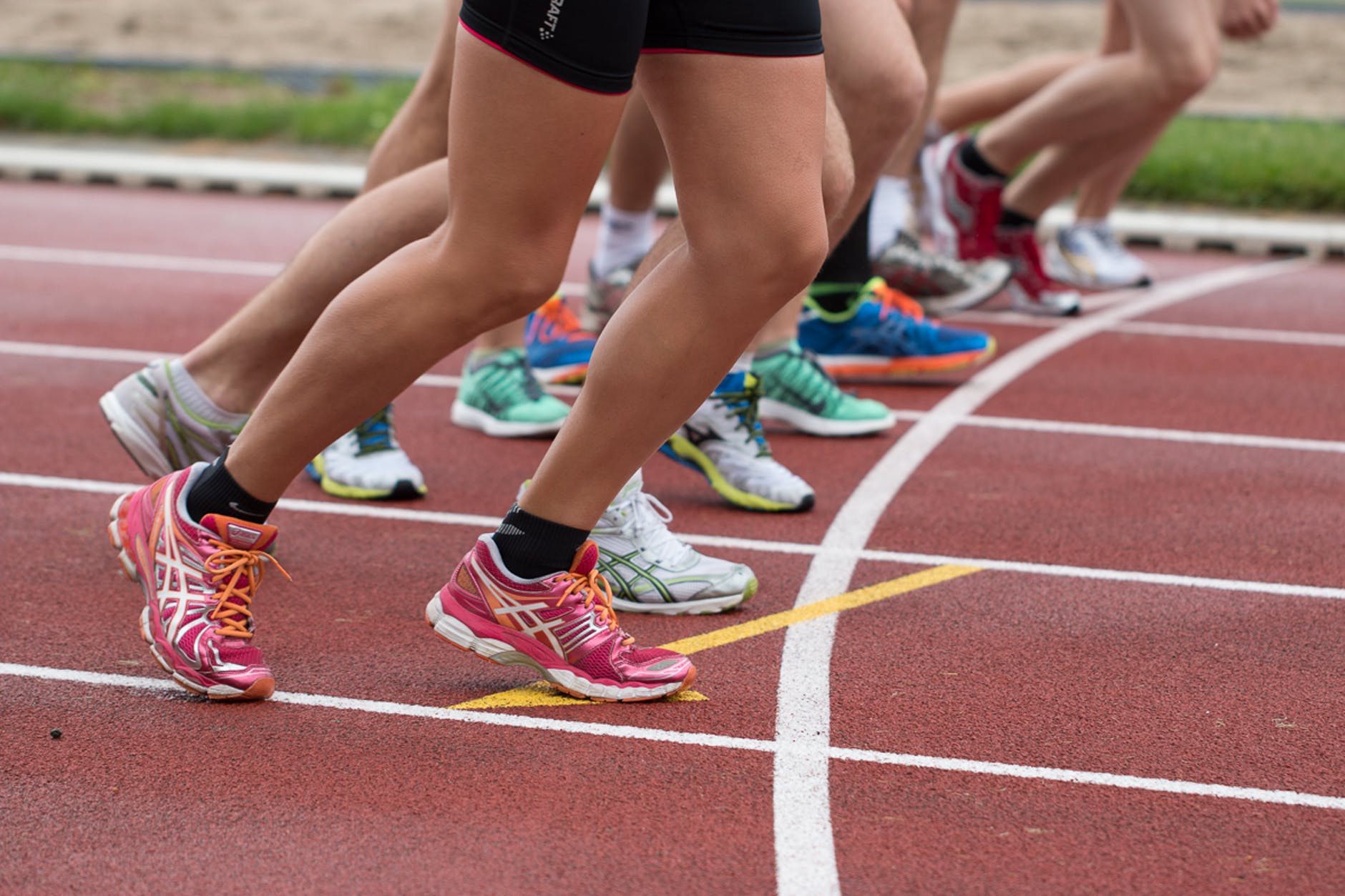
KHN suggests getting a really good pair of sneakers specifically for walking or running. I love that this is their first step, because just as a walking/running program is a foundation for getting back into shape, not to mention the basis for all of that exploration you want to do in retirement, good exercise shoes are foundational to preventing injuries. Get a good pair. Old worn out shoes should be left for mowing the lawn. There are many excellent types out there, and most of the good running stores can provide guidance in selecting a pair right for you. There is also lots of information on line. Your research can also get you a pair that works for you and doesn’t have to cost you a lot of money. (Some shoes can be expensive.) And realize, when you establish a walking/running lifestyle, you will need to replace the shoes as they show significant wear and tear. The old shoes can become new mowing shoes!
As an aside, the same can be said for hiking boots. Get a good pair that provide support and traction on wet and rocky surfaces. It could rain on that hike down to the bottom of the Grand Canyon! (Ok, maybe not. How about snow showers in Colorado in July? That could happen.)
2) Improve your balance
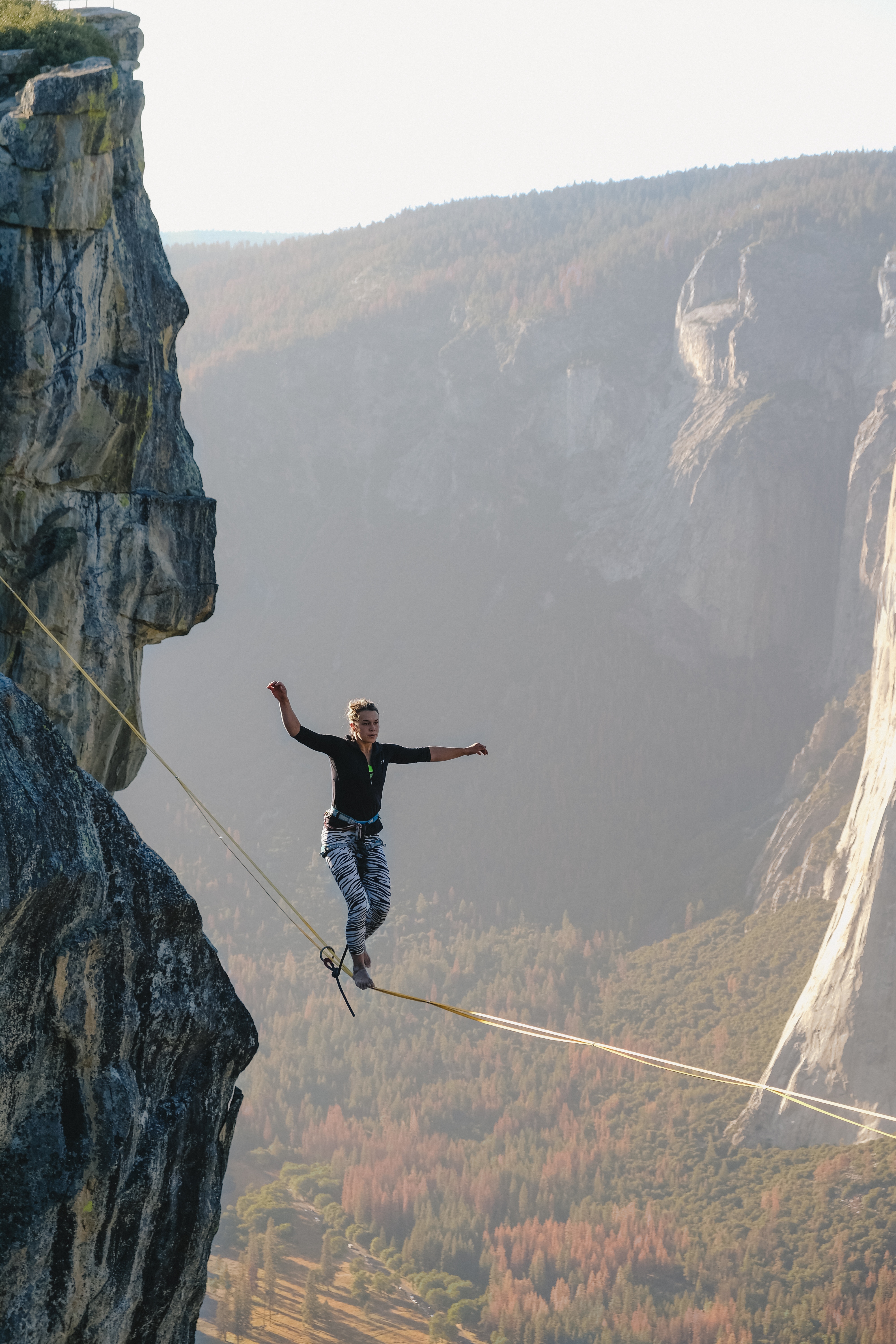
This is so important. It is not uncommon to hear about older people falling in their house during routine activities like bathing or just navigating stairs. Such falls can have dramatic and permanent effects on ensuing quality of life for these folks. Improved balance is also critical for an active lifestyle. Hiking trails are not smooth, jogging paths can have bumps and cracks. You don’t want to loose your balance going down a Grand Canyon trail and take a quick shortcut down to the bottom. (That will make you wish you had just ridden a mule.) Balance deteriorates as we age and needs to be a regular part of a fitness program.
There are many ways to learn about exercises and movements to aid in gaining improved balance. Search Google online for ‘improving balance…’ and the second suggestion is ‘improving balance for seniors.’ There are also many YouTube videos to watch on the subject. The key for any balance exercise is to make sure that you use some form of support for balance, like a sturdy chair or piece of furniture, to be able to balance yourself when necessary. Don’t fall while exercising to prevent falls…sort of defeats the purpose.
To add a bit of additional challenge, I recently purchased an inexpensive balance board to use. I think it will provide a bit more fun to the routine, and a greater degree of difficulty. I can also use it to stretch my very resistant Achilles tendons and calf muscles. That leads us to the next area to work on, one that I am changing up just a bit from the KHN article.
3) Work on flexibility
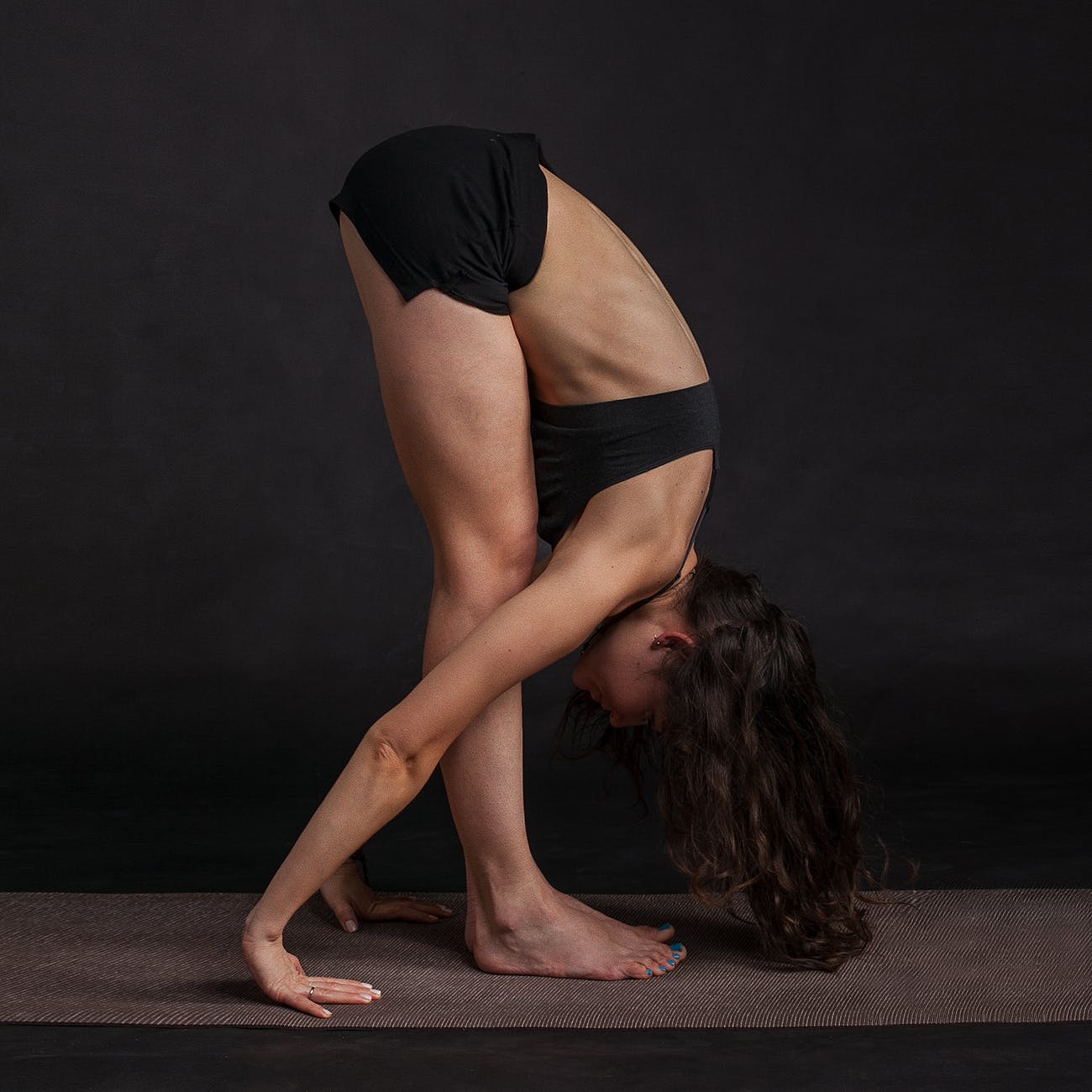
Integral to any physical activity, and an area of rapid decline in older people, is flexibility. As a person who has never been extremely flexible (that is my story and I am sticking to it) this is an area of importance and pain to me. Lack of flexibility contributes to injuries. (I can attest to that!) Ability to scramble down that Grand Canyon path is greatly improved by being flexible.
Flexibility programs are much like balance improvement programs. There is a lot of information on Google and YouTube. I am going to write further articles on specific flexibility programs and my trials and tribulations with working to gain flexibility. I also have a great contact who is a Yoga pro and works with seniors, and she is going to guest blog with programs and suggestions. Stay tuned to share the misery!
For full clarity, the KHN article talks about what they call “Hit the Floor.” They suggest regularly getting down on the floor and then standing back up again. That is a really great idea, but to me that speaks to flexibility, balance, and strength/weigh training, which brings me to the next area of staying fit.
4) Resistance training
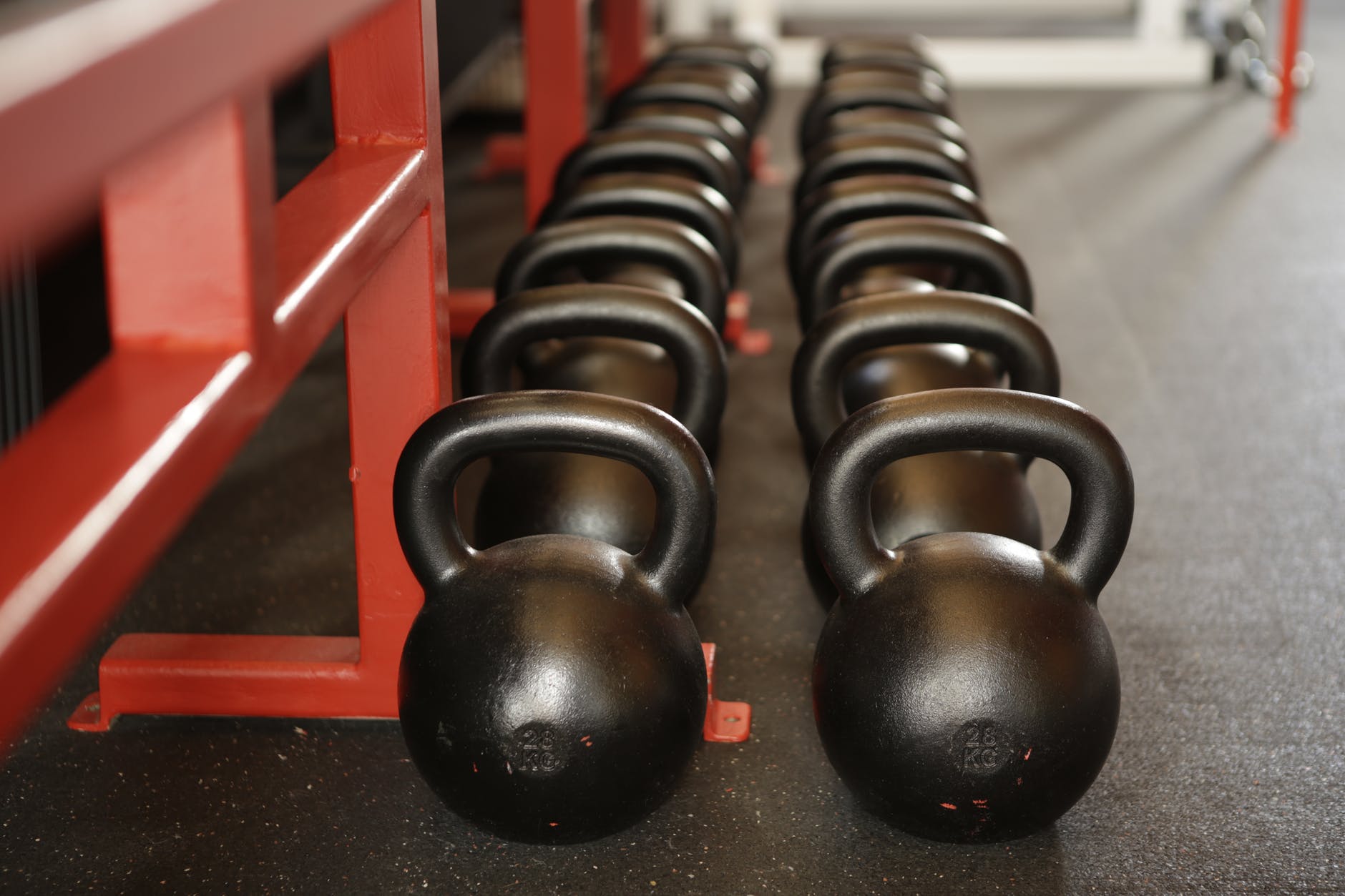
To paraphrase a quote from the article about muscles, ‘Use them or lose them.’ This is another critical area for ‘maturing’ seniors, and another physical attribute that is degraded over the years. There is an insidious pattern at play here. Over time, we don’t utilize some physical aspect of our body, and it declines. That decline is hastened by the natural aging process. The good news to me is that many (if not all) of these areas of decline are interrelated, and thus, working on one area, particularly resistance training, can also work on the other areas. Lifting weights will improve your flexibility, improve your balance, and provide some cardiovascular improvements. It can even lead you to think, ‘I am looking good! I need some new workout shoes!’
Resistance training has many forms, utilizing different types of equipment. Good work can be done with an inexpensive set of resistance bands. Body weight exercises allow you to put that extra weight you might carry to good use in getting fit. A light set of hand weights provide a wide range of exercise possibilities. Any combination of this equipment will start you on the right path to getting stronger.
Another aspect of resistance/weight training I want to explore is as physical therapy for injury recovery. I know that many of my latest set of injuries are due to weakness of muscle systems, or at least could possibly have been prevented by strengthening those affected muscles. For example, I believe that my knee meniscus tear might have been prevented, or at least lessened, by having stronger quad muscles. I also know that my recovery, and the necessary strengthening of the knee joint, will be only accomplished by working the muscles involved, and building them up stronger than they were.
Muscle strength will also help to hike out of the Grand Canyon! Or just keep the mule under control.
5) Challenge your speed

The article speaks to changing up your workout routines by varying speed and intensity. Once you are comfortable with that four mile walk, go faster. If you run, put in a few bursts of faster pace. Do interval training, once you work up to it. As you lift, increase the weight, or increase the number of repetitions. Use two resistance bands for some of your exercises of major muscle groups. Add a light set of hand weights to your body weight exercises. (After all, you will be loosing body weight and will have to replace it with hand weights!) Don’t be afraid to change things up. The body will only adapt with change.
To me, the above are very strong elements of getting and staying fit, be it before or during retirement. The excellent Kaiser Health News article also speaks to other lifestyle goals to achieve, not exactly related to physical activity but more good mental activity. Again, everything is interrelated, increasing the complexity, but expediting the results.
The remaining areas of the KHN program are covered briefly, and I would direct you to the CNN article (February 11, 2019) written by Bruce Horovitz for more details.
6) Improve your breakfast
Who among us couldn’t improve our diet? (Nope, put your hand down. If you had a great diet, you wouldn’t be reading this!) Improved diet is a complex subject and often seems like an insurmountable hill to climb. Sort of like being at the bottom of the Grand Canyon and out of shape. (And no mule) The article tries to make it easier and focuses on what many think is the most critical meal, breakfast. Improving breakfast creates an immediate win for you mentally, (at least you ate one meal right) and prepares you for the physical activities you want to accomplish. Briefly, loose the sugar and increase the proteins and fruit. You have the proper fuel to run your engine.
7) De-stress wisely
Too often we try to lessen our stress levels by binge-type eating, drinking alcohol, or smoking. Each of these have problems associated with them. The article indicates that a healthier lifestyle needs to incorporate better, healthier ways to de-stress. Luckily, there are many ways to do this. Yoga and meditation have been shown to lower stress, but in reality, all of the ten improvements in lifestyle discussed in this article should lead to a lowering of stress. Certainly the physical activities will greatly limit stress. Again, everything is interrelated.
8) Believe in yourself
Self-doubt and depression is not just for seniors. All elements of society will deal with these issues, at one point or another. If this is a reoccuring problem for you, or is becoming more of an issue in your life or the life of someone you love, get professional help as is appropriate.
If you are working to improve your life, such as seeking to live a healthy lifestyle by doing some or all of the things discussed in this article, then you should be well on your way to believing in yourself and your path. All these things are interrelated.
9) Take on a project
Work on something that you like and has meaning to you. Learn something. Go back to school. You won’t be alone as an older student, and many state colleges and universities offer reduced or no tuition costs. Take on a hobby you enjoy. Who knows, it might bring in some income for you, or at least be fun. Heck, you might even decide to write a bad blog filled with endless, aimless mentions about the Grand Canyon.
And, keep in mind that a project to gain physical fitness can be a rewarding project with big benefits.
10) Embrace self-improvement
To me, this is somewhat of a summation of the program espoused by the article. All of this is about self-improvement. All of it is about getting better, physically and mentally. After all, after grinding away at a career, running the rat-race, now is the time to really get out there and go for the new life. To do so, you have to be physically and mentally ready for the great adventure! Who knows, you might even see the bottom of the Grand Canyon!
If you made it to the end of this article, thank you, and hopefully there were some nuggets of information you can use. Please leave any comments you might have for us.
PS, I am not really that obsessed with the Grand Canyon, but it does make for a good metaphor and is on my ‘bucket list’ of places to visit.
Grand Canyon photo by Alan Carillo from Unsplash

