After our stop in Bayfield and ferry ride over to Madeline Island, we pushed east into Michigan along Lake Superior. We saw lots of waterfalls and headed out to the tip of the Keweenaw Pennisula to Copper Harbor, with a stop on the way at Eagle Harbor.
We left Bayfield, Wisconsin, the Apple Festival, and the architecturally impressive Bayfield Carnegie Library behind and started into Michigan. We were headed to the Keweenaw Peninsula and then to the Upper Peninsula.
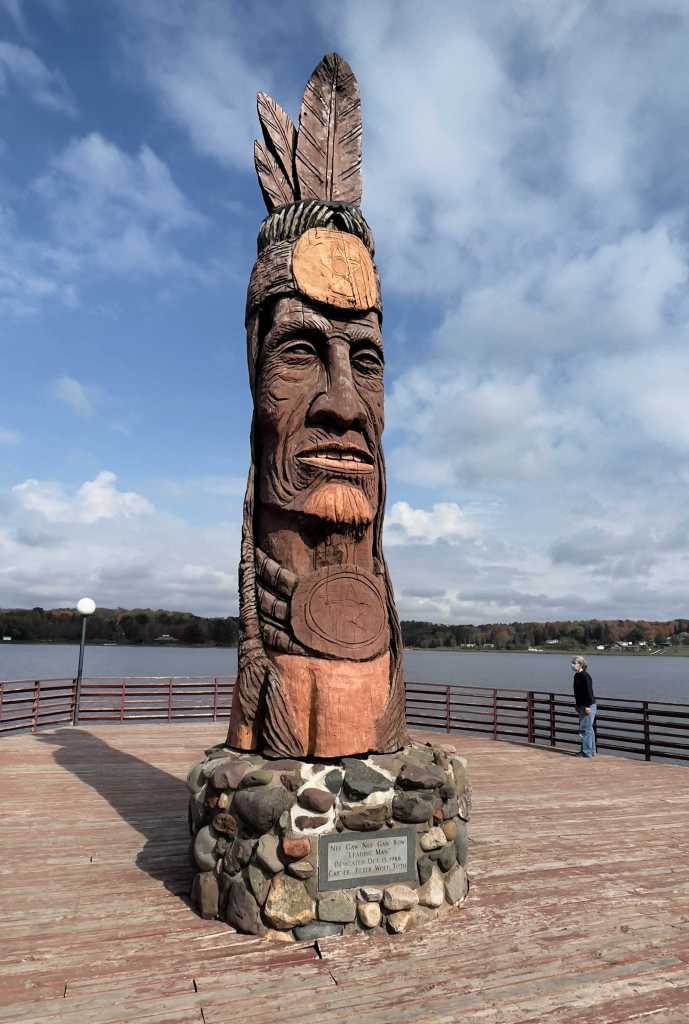
We crossed into Michigan and drove north up through the Ottawa National Forest to Lake Superior. We passed through the town of Wakefield and stopped at a very large totem-like statue of Nee-gaw-nee-gaw-bow. It is a statue of a Chippewa Indian and the name means “Leading Man” in Chippewa. It was carved by Peter “Wolf” Toth in 1988 from a single piece of pine from the Ottawa National Forest. Between 1971 to 1988, Toth created such statues in all 50 states for his “Trail of Whispering Giants” project, creating Indian sculpture.
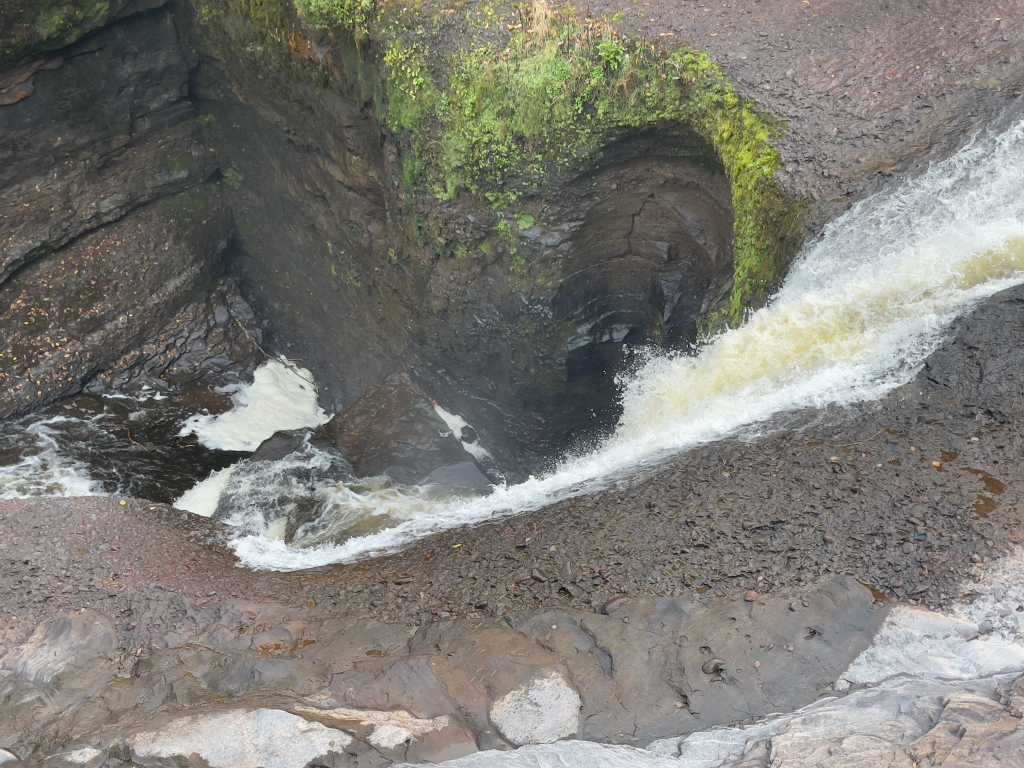
As we drove through the Forest, we stopped to take several short hikes to waterfalls, including Rainbow and Sandstone Falls. They were worth the exercise up and down the flights of stairs on the trails.
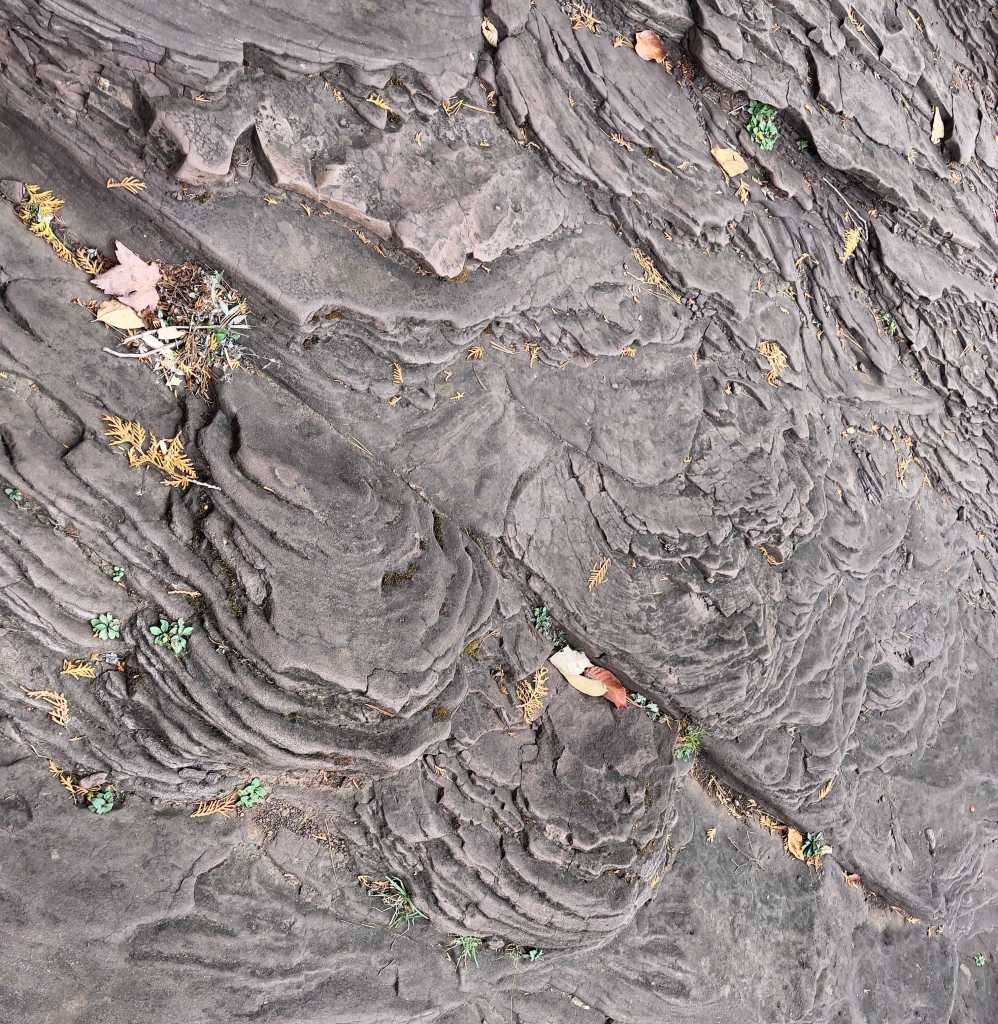
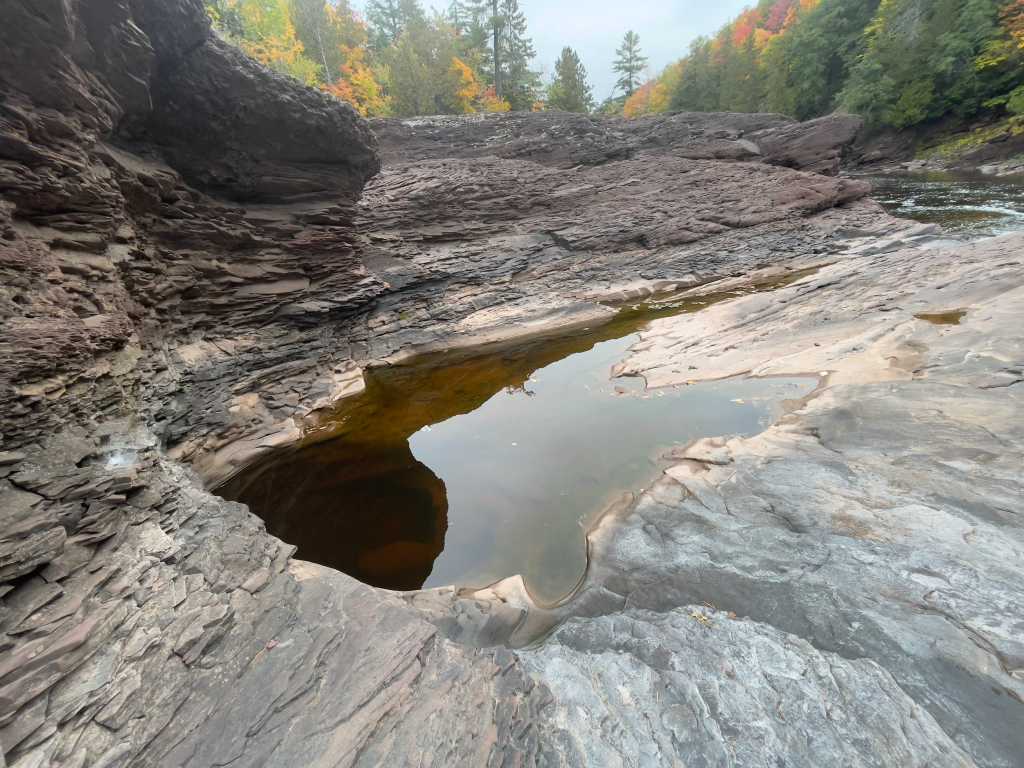

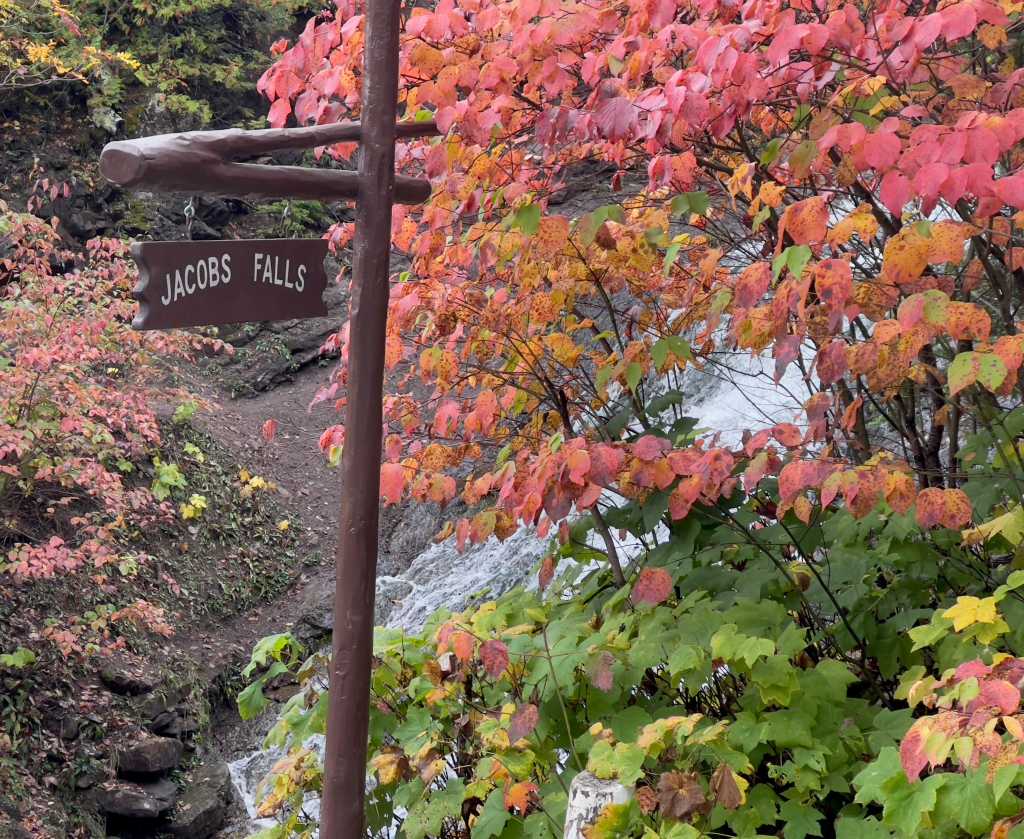
After all the waterfalls, we continued along the Lake Superior shore, spending the night in a nice campground right on the lake shore, Ontonagon Township Park. Very near our site we met a couple with a pair of e-bikes. When we politely quizzed them about the bikes, they invited us to try them. We did, and wow, were they fun. An idea was born…

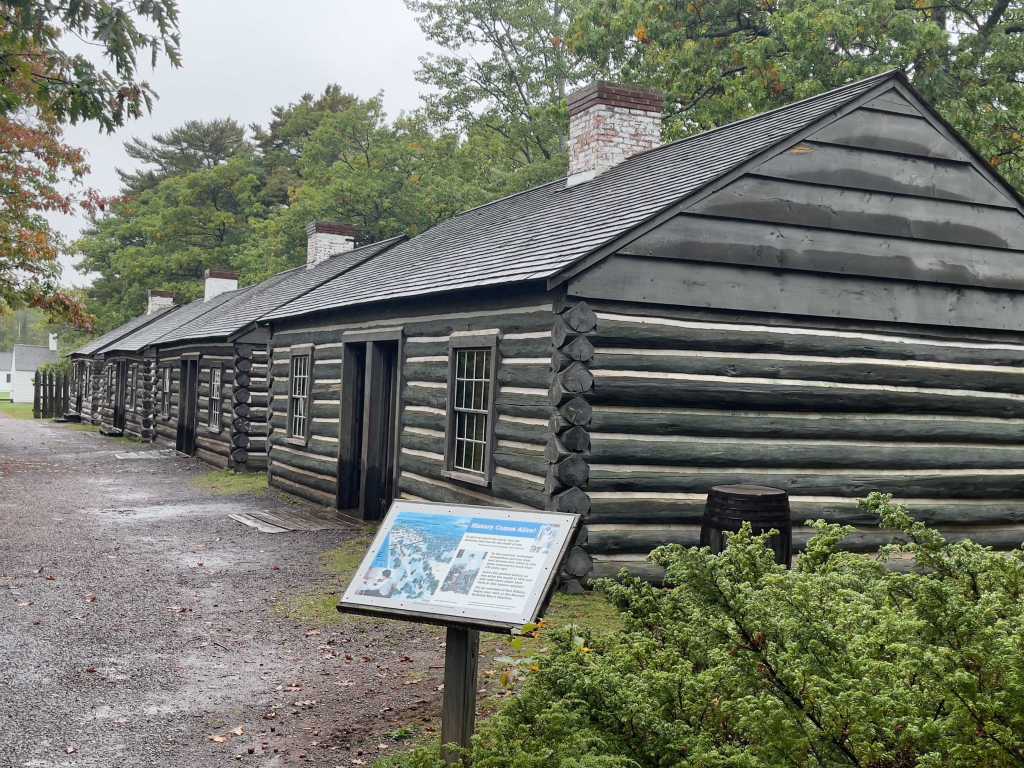
The next day we went up the peninsula to Eagle Harbor, Copper Harbor, and Fort Wilkins, all out on the end of the Keeweenaw Peninsula. Copper Harbor is at the northern tip of the peninsula and is one of the best natural harbors in the area. Copper was discovered on the peninsula in the 1830’s, and after an early 1840s copper rush, the harbor got its name. As the rush continued, there was worry of possible disorder and violence, and lake shipping interests requested that the government build an aid to navigation so that supplies could be shipped in and the copper moved out. In 1844, Fort Wilkins was established to help keep the peace between the miners and the Indians. It turns out everyone played nice and there wasn’t much need for the fort. From the exhibits at the fort, the main issue for the troops was how cold it was in the winter. Northern Michigan, out in Lake Superior, dead of winter…cold?By the time of the war with Mexico in 1846, the fort was left in the hands of a single caretaker.
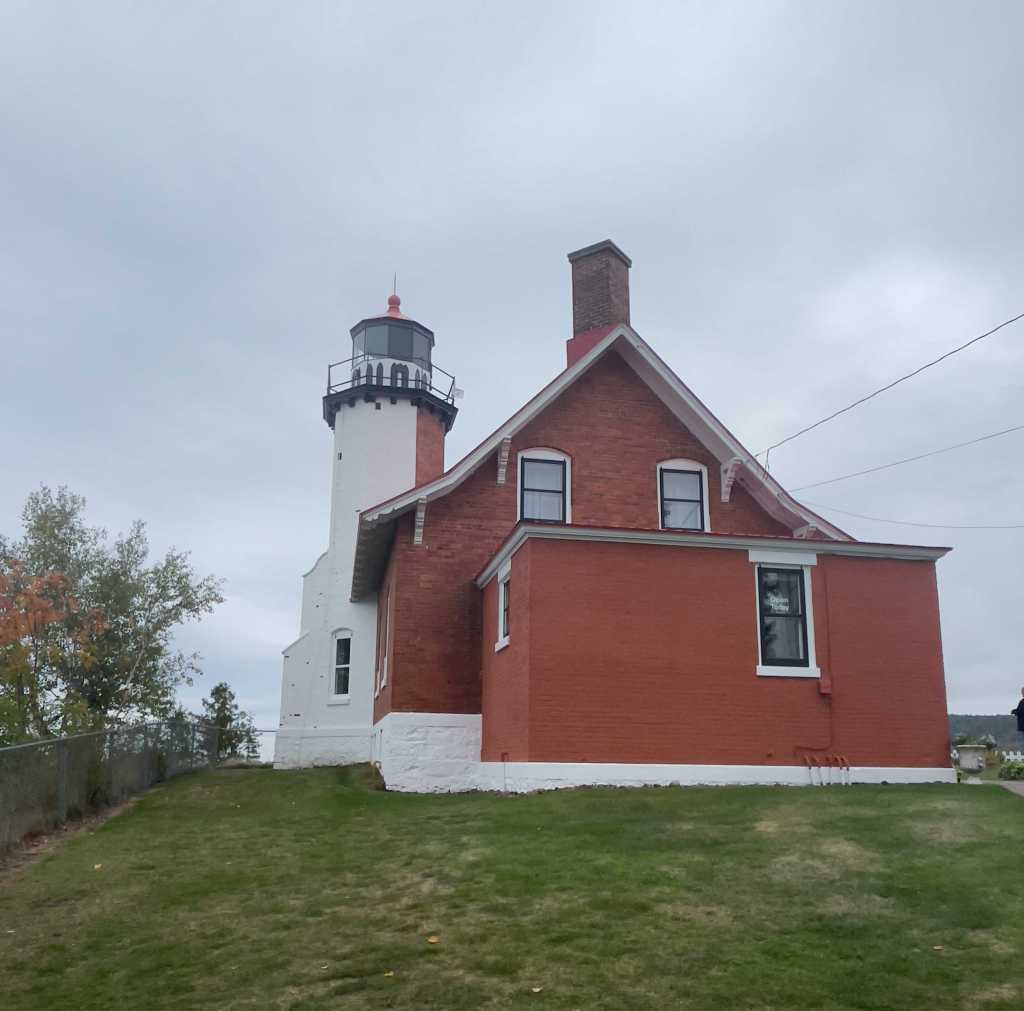
To help with navigation on the lake, lighthouses were built at Eagle Harbor and Copper Harbor. We toured the Eagle Harbor lighthouse and grounds, and learned of a fascinating saga of shipwrecked Chryslers.
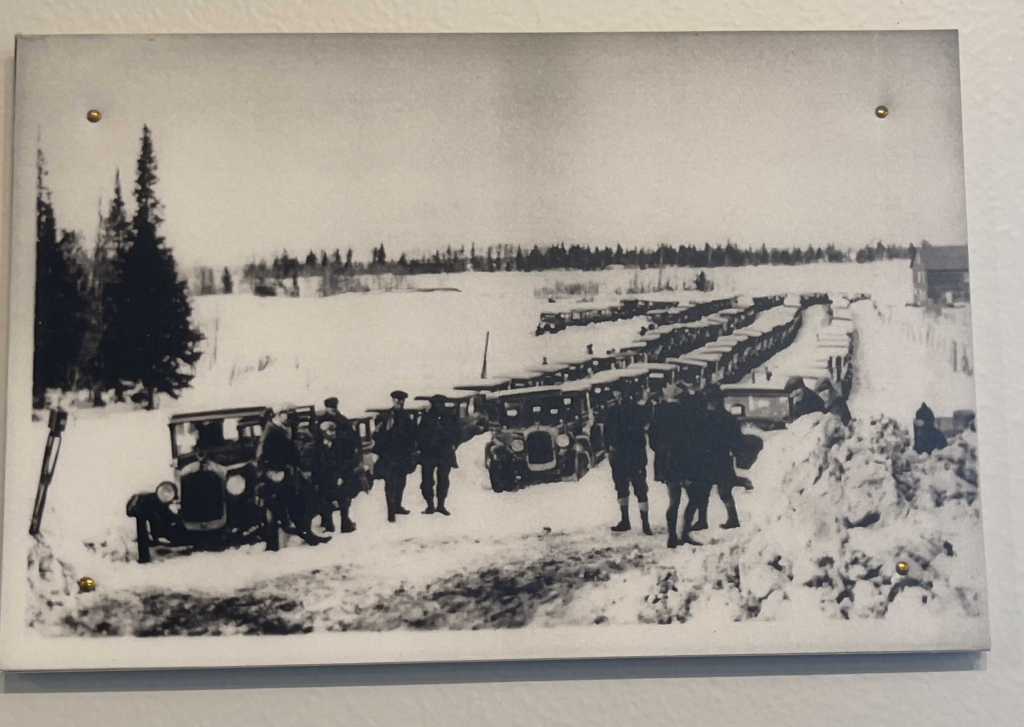
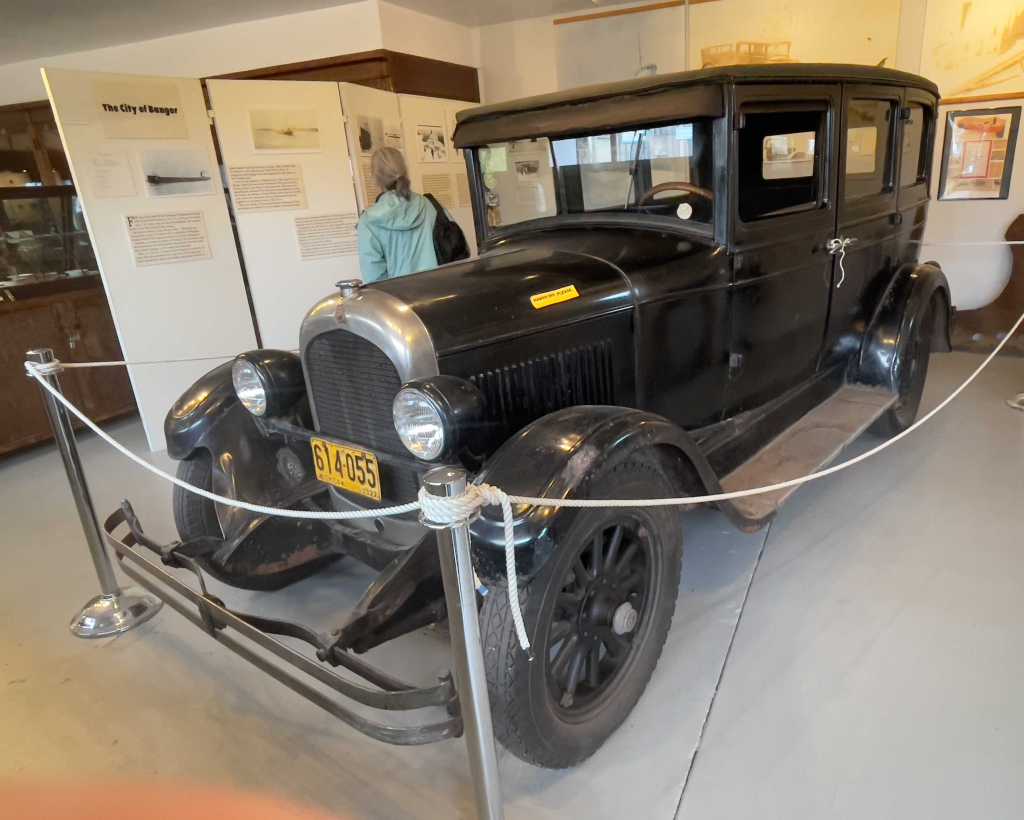
In November of 1926, the City of Bangor cargo ship, hauling 220 brand new Chryslers was hit by a strong fall storm out of the northwest. She was almost to Eagle Harbor when she was forced to come about and try to retreat to protected waters. Her steering gear broke and she ran aground on a rock reef. The crew all survived and eventually made it to safety in Copper Harbor.

After the storm broke and once the water surrounding the ship froze solid, the cars were actually removed from the stuck ship’s cargo hold and eventually driven across the lake ice into Copper Harbor. In the spring when the roads reopened, they were driven to a train station where they were loaded up and returned to Detroit. There they were refurbished and resold.
Up next: Boat cruise to Pictured Rocks National Lakeshore (with lots of pics) and a campground with a great sunset and Milky Way
 Next Life Retired